Searching for walk-in shower conversion cost in PA? You are probably standing in your bathroom, looking at an old tub, wondering if a walk-in shower is worth the money. For most homeowners it is, but the real number depends on your layout, your plumbing, and how much of an upgrade you want.
Amazing Builders is a family-owned remodeling company based in Myerstown, PA. We serve homeowners across Lebanon, Lancaster, Reading, York, Philadelphia, Harrisburg, and Allentown. This guide breaks down real 2026 cost ranges for a tub-to-shower conversion, what the work actually involves, and what to check before you sign a contract. For a wider look at bathroom remodeling costs in general, see our bathroom remodel cost guide.
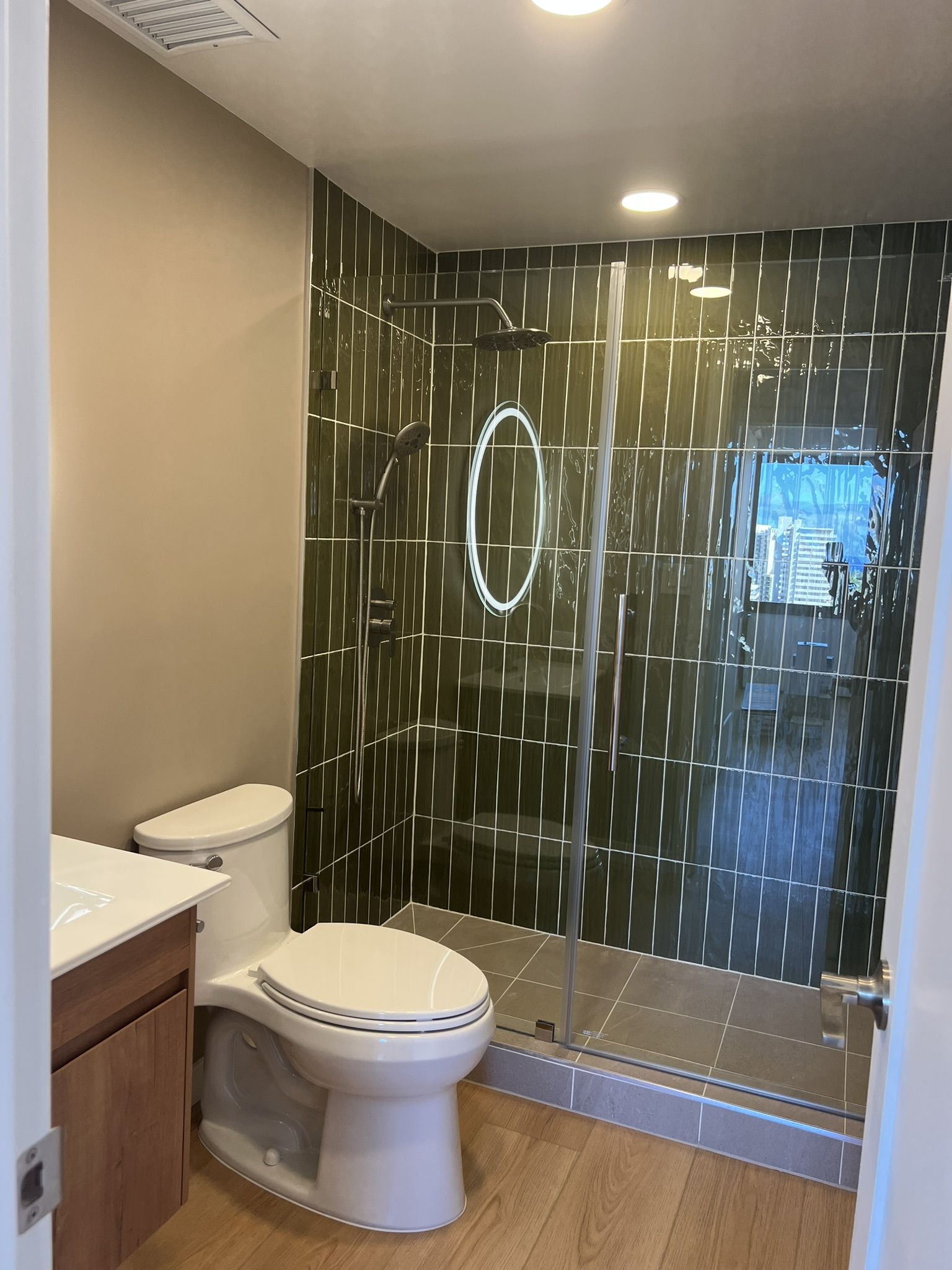
Why Homeowners in Lebanon County Convert Their Tub to a Walk-In Shower
Most people do not wake up one day and decide they need a new shower. Something pushes them toward it. In our experience quoting these jobs across Lebanon County, it usually comes down to one of these reasons.
- ✓ Aging in place and accessibility. A walk-in shower removes the tub wall you have to step over. That single change cuts one of the biggest fall risks in the house, which matters for older adults or anyone with a knee, hip, or balance issue.
- ✓ Modern style. A dated tub-shower combo with a vinyl surround makes a whole bathroom feel older than it is. Clean tile walls and a glass enclosure update the look fast, without touching the vanity or floor.
- ✓ Lower maintenance. Tubs collect grime along the caulk line and behind a shower curtain. Tile and glass are easier to wipe down, and a properly sealed shower pan holds up better over time.
- ✓ Resale appeal. National cost-vs-value data consistently shows mid-range bathroom updates recovering a strong share of their cost at resale, often more than most other remodeling projects. Buyers touring a home notice a dated tub-shower combo right away.
A walk-in shower is one of the few upgrades that pays off whether you plan to stay for 20 years or list your house next spring.
If you are only replacing fixtures and paint, that is a different project with a different budget. Our bathroom remodel cost guide covers the full range of bathroom projects, from a small refresh to a full gut. This page focuses specifically on converting a bathtub into a walk-in shower.
What a Walk-In Shower Conversion Actually Involves
A walk-in shower conversion is more than pulling out a tub and tiling a box. Here is what actually happens on a real job.
Demolition and Removal
The old tub, surround, and any damaged drywall come out first. Cast iron tubs are heavy and often need to be broken apart to remove. This step also uncovers the condition of the subfloor and wall framing, which sometimes hides water damage that was never visible before.
If your home was built before 1978, opening up the wall around an old tub can disturb lead paint under later coats. Ask your contractor about EPA lead-safe work practices before demo starts, especially if kids or pets are in the house.
Plumbing Changes and Drain Relocation
A basic conversion can often reuse the existing tub drain location. A larger shower, a curbless design, or a linear drain usually means moving the drain, which means cutting into the subfloor and sometimes the ceiling below. This is also a good time to swap in a modern pressure-balance valve, which keeps water temperature steady if someone flushes a toilet elsewhere in the house.
Waterproofing and the Shower Membrane
This is the step that protects your investment. A proper walk-in shower needs a continuous waterproof membrane behind the tile, not just grout and caulk. The shower pan also needs to be sloped correctly toward the drain. Skipping or rushing this step is the top cause of shower leaks that show up as ceiling stains a year or two later.
Glass Enclosure vs. Shower Curtain
Once the shower itself is built, you need something to keep water inside it. Glass is more popular in conversions because it looks more finished and holds up longer, but a curtain is a legitimate budget option, especially for a rental property or a secondary bathroom.
| Enclosure Type | Typical Cost | Trade-Offs |
|---|---|---|
| Shower curtain | $50 – $300 | Cheapest option, needs regular washing, least modern look |
| Framed glass door | $400 – $1,200 | Budget-friendly glass, visible metal frame around the panels |
| Semi-frameless glass | $800 – $2,000 | Cleaner look with one or two slim support posts |
| Frameless glass | $1,200 – $3,000+ | Premium look, heavier glass, easiest surface to keep clean |
Tile and Surround Options
Ceramic and porcelain tile are the most common choices, with a huge range of colors and price points. Large-format tile costs a bit more per square foot but needs fewer grout lines, which means less scrubbing later. Natural stone looks great but needs periodic sealing to resist staining. If budget is the priority, a one-piece acrylic or solid-surface panel system installs faster than tile and has no grout lines at all, though you get fewer design options.

Want to see how a shower conversion fits into a bigger bathroom update? Our bathroom renovation services page covers vanities, flooring, and lighting alongside shower work.
The numbers below are typical ranges for planning, not a quote for your bathroom. Drain location, subfloor condition, and tile choice all move the price. The only way to get your real number is a free in-home estimate.
Walk-In Shower Conversion Cost in PA by Scope (2026)
Industry data from HomeGuide, Angi, and This Old House points to three general pricing tiers for a tub-to-shower conversion. Pennsylvania labor costs tend to sit in the middle of these national ranges.
| Scope | Typical Cost Range | What It Usually Includes |
|---|---|---|
| Basic Conversion | $6,000 – $12,000 | Same footprint and drain location, standard tile or acrylic surround, framed or sliding glass door |
| Curbless / Zero-Threshold | $12,000 – $20,000 | Subfloor modification, linear drain, structural work, wider entry, grab bars and bench |
| Luxury Walk-In Shower | $18,000 – $30,000+ | Large-format or natural stone tile, multiple shower heads or body sprays, frameless glass, built-in bench |
Basic Walk-In Shower Conversion
This is the most common project we see. If your existing drain location works and you are not changing the footprint, a basic conversion with a tiled or acrylic surround and a framed or sliding glass door typically runs $6,000 to $12,000. This tier gets you a full walk-in shower without moving plumbing or touching the subfloor.
Curbless / Zero-Threshold Accessible Conversion
A curbless shower has no raised lip to step over, which makes it the top choice for aging-in-place projects and wheelchair or walker access. Getting the floor to slope correctly to a linear drain, with no curb, usually means lowering or reframing part of the subfloor. That structural work pushes this tier to $12,000 to $20,000. Not every bathroom can support a curbless design without major framing changes, which is why a feasibility check matters before you commit to this option.
Luxury Walk-In Shower
A luxury conversion adds premium materials and features on top of the accessible or basic build: large-format porcelain or natural stone, a built-in bench, a rain head paired with a handheld sprayer or body jets, and heavy frameless glass. Depending on how far you take it, this tier typically runs $18,000 to $30,000 or more, especially if multiple shower heads require upgrading your water heater or supply lines.
Weighing this against other projects on your list? Our guide to planning a home remodeling budget can help you set priorities before you commit to a scope.
How Long Does a Walk-In Shower Conversion Take?
A basic conversion with a prefab or acrylic surround usually takes 3 to 5 days once demo starts. A full custom tile job, or anything curbless, runs closer to 7 to 12 days, since waterproofing and a sloped mortar bed both need time to cure properly between steps.
That is just the on-site work. From signed contract to finished project, plan for several weeks total once you add permit approval, material ordering, and scheduling. Rushing the drying and curing time between waterproofing and tile is one of the most common causes of early shower failures, so a longer, correctly sequenced timeline is worth it.
Things to Check Before You Commit
Before you sign a contract, walk through these points. They catch most of the surprises that blow up a shower conversion budget.
- ✓ Structural and plumbing feasibility. Joist direction and subfloor depth affect whether a linear drain and curbless entry are possible without expensive framing changes. Ask your contractor to check this before quoting a curbless price.
- ✓ Whether your layout supports a curbless design. Door swing, the height of the floor just outside the shower, and overall bathroom size all matter. A small bathroom may not have room for the transition a curbless shower needs.
- ✓ Water heater and pressure capacity. A rain head plus a handheld or body sprays uses more hot water and pressure than a single showerhead. Check your water heater size before you fall in love with a multi-head design.
- ✓ Permits. Most Pennsylvania municipalities require a permit for plumbing or drain relocation work. Your contractor should pull this for you, not leave it to you to figure out.
- ✓ Contractor registration. Pennsylvania’s Home Improvement Consumer Protection Act requires contractors doing more than $5,000 of work a year to register with the state Attorney General’s Office. Ask for a registration number before signing anything.
- ✓ Wet-area experience. General remodeling experience is not the same as waterproofing experience. If you want a second opinion on vetting a remodeler, the National Association of the Remodeling Industry is a good resource for finding qualified pros.
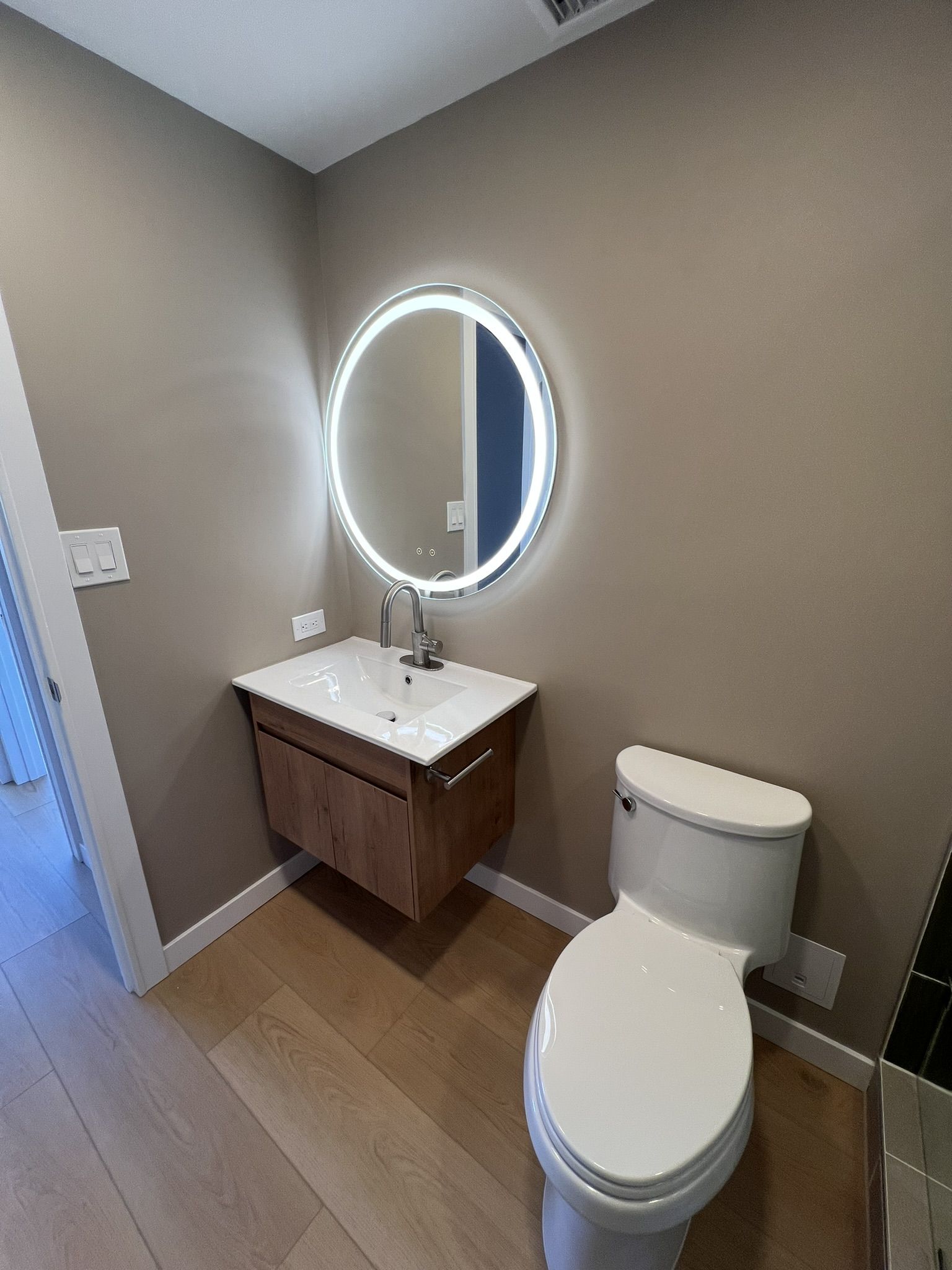
A five-minute feasibility check before you sign can save you from a mid-project change order. Ask before you commit, not after demo has already started.
Walk-In Shower Conversion Cost: Frequently Asked Questions
How much does a walk-in shower conversion cost in PA?
Most Lebanon County homeowners land between $6,000 and $20,000, depending on whether the drain stays put or moves, and whether you choose a curbless design. Luxury conversions with premium tile and multiple shower heads can run higher. A free in-home estimate gets you a real number for your bathroom.
Do I need a permit to convert a tub to a shower in Pennsylvania?
In most cases, yes, if the drain or supply lines move. Municipalities across Lebanon and surrounding counties generally require a plumbing permit for that kind of work. A cosmetic swap that reuses the existing drain sometimes does not need one, but your contractor should confirm this with your local building office before work starts.
Can any bathroom be converted to a curbless walk-in shower?
No. Curbless showers need enough subfloor depth to slope the floor toward a drain without raising the finished floor height in the rest of the room. Homes on a concrete slab, or bathrooms with limited joist depth, sometimes cannot support a true curbless design without major structural work. A feasibility check before you commit saves you from an unwelcome surprise mid-project.
Is a walk-in shower conversion worth it for resale?
Generally, yes. Bathroom updates are consistently among the stronger performers in national cost-vs-value data, and a dated tub-shower combo is one of the first things buyers notice on a walkthrough. A basic to mid-range conversion tends to offer the best balance of cost recovered versus money spent, compared to a full luxury build.
How long does a walk-in shower conversion take from start to finish?
The physical construction takes 3 to 12 days depending on scope, but the full process from signed contract to finished project usually runs several weeks once you count permits, material lead times, and scheduling. We will walk you through a real timeline at your free estimate.
Why Choose Amazing Builders for Your Walk-In Shower Conversion
We are a licensed and insured remodeling company based in Myerstown, PA, serving Lebanon County, Lancaster, Reading, York, Harrisburg, Philadelphia, and Allentown. Every estimate starts with an honest, in-person look at your bathroom, not a generic online calculator plugged into a form.
- ✓ Licensed and insured in Pennsylvania
- ✓ Real waterproofing experience, not just tile experience
- ✓ Honest feasibility checks before we quote a curbless design
- ✓ Transparent, itemized quotes with no hidden change orders
Curious what else we handle beyond bathrooms? Our full list of services covers kitchens, basements, flooring, and more. You can also browse our project gallery to see finished work, or learn more about our team. If you want to know what sets a properly registered, insured PA contractor apart before you hire anyone, our guide to choosing a home improvement contractor in PA walks through what to ask.
📍 Service Areas: Myerstown • Lebanon • Lancaster • Reading • York • Philadelphia • Harrisburg • Allentown
📞 Call us at (267) 917-3986 or reach out through our contact page to schedule a free in-home estimate.
Ready to find out what your walk-in shower conversion would actually cost? Let’s take a look and give you a real number, not a national average.